How to Convert a Website into an App
In today’s digital landscape, businesses are increasingly seeking ways to enhance user engagement, improve retention, and deliver seamless experiences across devices. As a result, converting a website into a mobile application has become a strategic priority. Not only does this approach extend your digital presence, but it also enables deeper personalization, better performance, and access to native device features.
In this article, we will explore how to convert a website into an app, step by step. Additionally, we will outline key considerations, tools, and best practices to ensure a successful transformation.
Why Convert a Website into an App?
First and foremost, mobile apps offer a more immersive and responsive user experience compared to traditional websites. Moreover, apps provide offline access, push notifications, and improved performance. Consequently, businesses can increase user engagement and drive higher conversion rates.
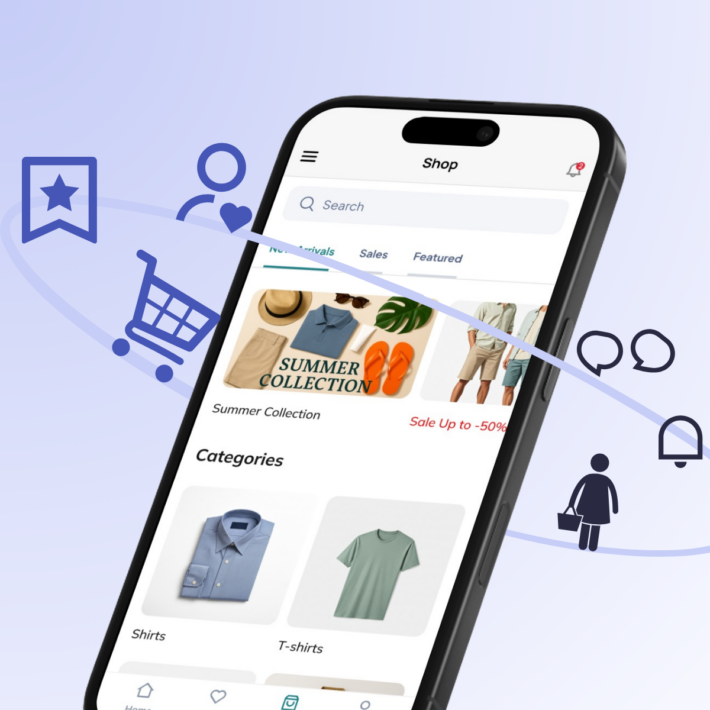
Furthermore, having a mobile app strengthens brand visibility. Since users interact with apps directly from their home screens, your brand remains constantly accessible. In addition, apps can integrate seamlessly with device features such as GPS, camera, and biometrics.
Key Approaches to Conversion
Before starting the conversion process, it is essential to choose the right approach. Generally, there are three main methods:
1. Progressive Web Apps (PWAs)
To begin with, PWAs are an efficient way to transform a website into an app-like experience. They run in a browser but behave like native apps.
Advantages:
- Fast and lightweight
- No app store approval required
- Lower development cost
Limitations:
- Limited access to native device features
- Less visibility compared to app store apps
2. WebView Apps
Alternatively, WebView apps wrap your existing website inside a native app container. This method is relatively quick to implement.
Advantages:
- Faster time to market
- Minimal code changes
Limitations:
- Performance may be limited
- User experience depends on website quality
3. Native or Hybrid Apps
Finally, you can rebuild your website as a native or hybrid application using frameworks such as React Native or Flutter.
Advantages:
- High performance
- Full access to device features
Limitations:
- Higher development cost
- Longer development timeline
Step-by-Step Conversion Process
Step 1: Audit Your Website
Initially, evaluate your website’s performance, responsiveness, and user experience. In particular, identify elements that need optimization for mobile use. For example, ensure fast load times, intuitive navigation, and mobile-friendly layouts.
Step 2: Define Your Goals
Next, clarify the purpose of your app. Whether your objective is to increase engagement, drive sales, or improve retention, your goals will influence your development approach.
Step 3: Choose the Right Technology
Subsequently, select the most suitable conversion method (PWA, WebView, or native). This decision should align with your budget, timeline, and feature requirements.
Step 4: Optimize User Experience
At this stage, redesign key user flows for mobile. For instance, simplify navigation, reduce friction, and prioritize essential features. Additionally, ensure consistent branding across all touchpoints.
Step 5: Integrate Native Features
Where applicable, incorporate features such as push notifications, offline access, and device integrations. These enhancements significantly improve user engagement.
Step 6: Test Thoroughly
Before launching, conduct extensive testing across devices and operating systems. As a result, you can identify and resolve performance issues, bugs, and usability concerns.
Step 7: Publish and Maintain
Finally, deploy your app to app stores (if applicable). However, the process does not end there. Continuously monitor performance, gather user feedback, and release updates to improve functionality.
Best Practices
To ensure success, consider the following best practices:
- Prioritize speed and performance
- Maintain a consistent user experience
- Leverage push notifications strategically
- Focus on security and data privacy
- Continuously analyze user behavior and optimize accordingly
Accelerating Conversion with Bryj Beam
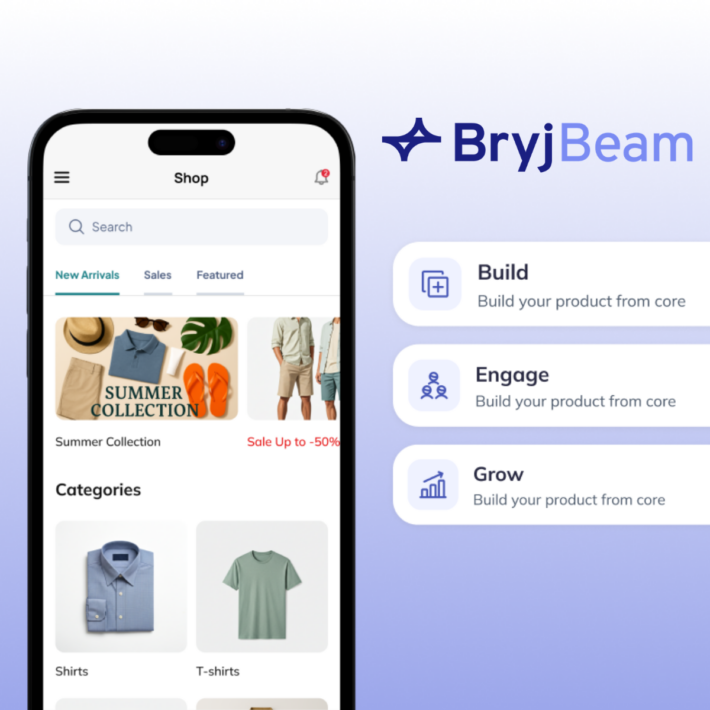
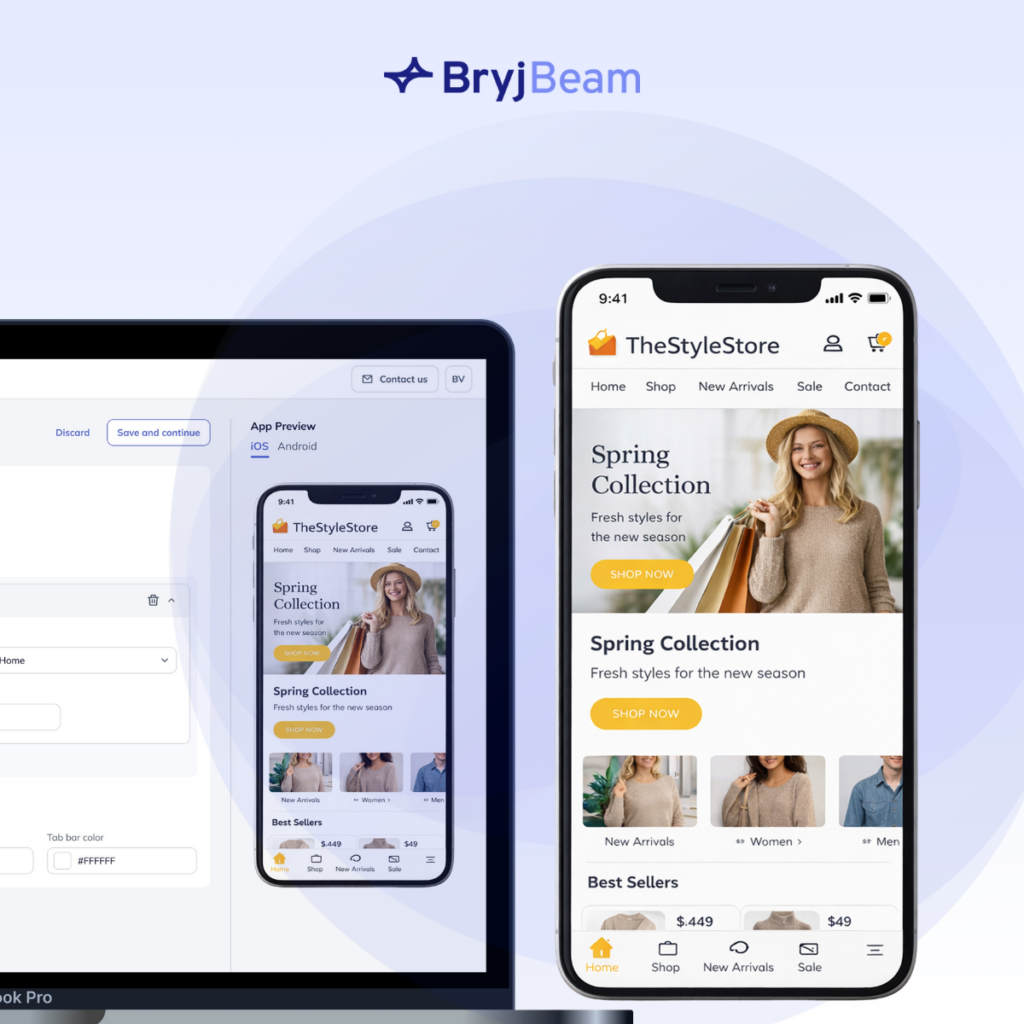
In addition to traditional approaches, platforms like Bryj Beam offer a more advanced and scalable way to convert websites into fully functional mobile apps. Specifically, Bryj Beam enables businesses to transform web experiences into high-performance native apps without requiring a complete rebuild.
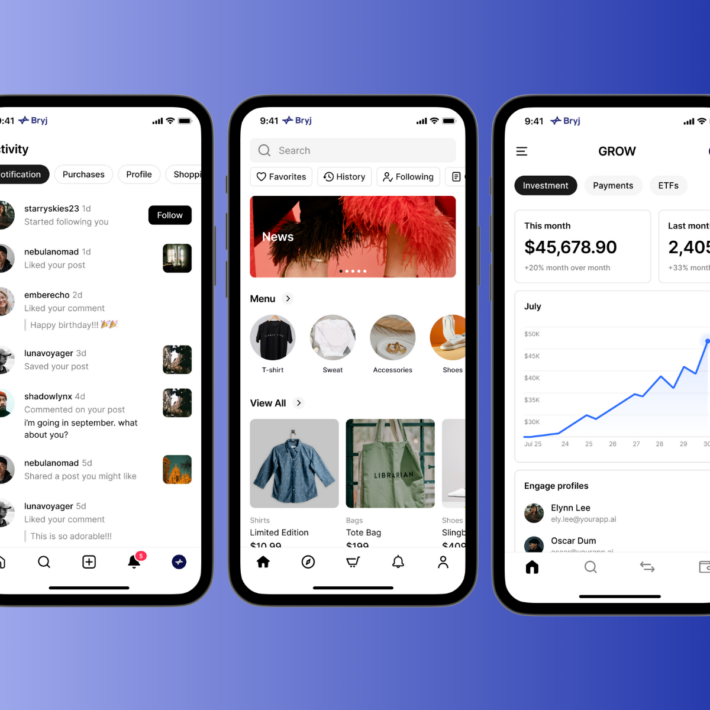
Moreover, Bryj Beam enhances the process by bridging the gap between web and native capabilities. As a result, businesses can deliver app-store-ready experiences while maintaining the flexibility of their existing web infrastructure. In particular, it supports features such as push notifications, offline functionality, and seamless integrations with native device capabilities.
Furthermore, Bryj Beam is designed with performance and user experience in mind. Consequently, apps built with Bryj Beam achieve faster load times, smoother interactions, and improved engagement metrics. At the same time, teams can iterate quickly without duplicating development efforts across platforms.
From a branding perspective, it is also important to maintain consistency with Bryj’s design system. Therefore, when presenting Bryj Beam in your app or marketing materials, ensure alignment with the typography, spacing, and visual hierarchy used across Bryj’s official assets.
Ultimately, Bryj Beam provides a strategic advantage by combining speed, scalability, and native performance, making it an ideal solution for businesses looking to modernize their mobile experience efficiently.
Conclusion
In conclusion, converting a website into an app is a powerful way to enhance user experience and drive business growth. By selecting the right approach and following a structured process, you can effectively transform your digital presence. Ultimately, the key lies in aligning technology with user needs and business objectives.
As mobile usage continues to grow, investing in an app is no longer optional, it is essential for staying competitive in the modern digital ecosystem.