How SMBs Can Benefit from Mobile Apps
In today’s digital-first economy, small and medium-sized businesses (SMBs) face increasing pressure to compete with larger enterprises. Customers expect seamless digital experiences, instant communication, and personalized interactions. As a result, mobile apps are no longer a luxury reserved for large corporations; instead, they have become a strategic growth tool for SMBs.
When implemented correctly, a mobile app can strengthen customer relationships, improve operational efficiency, and unlock new revenue streams. Below, we explore how SMBs can benefit from investing in mobile applications and why this technology has become a competitive necessity.
1. Enhanced Customer Engagement
First and foremost, mobile apps provide a direct and personalized communication channel between businesses and their customers. Unlike websites or social media platforms, apps live on a customer’s device, which significantly increases brand visibility and engagement frequency.
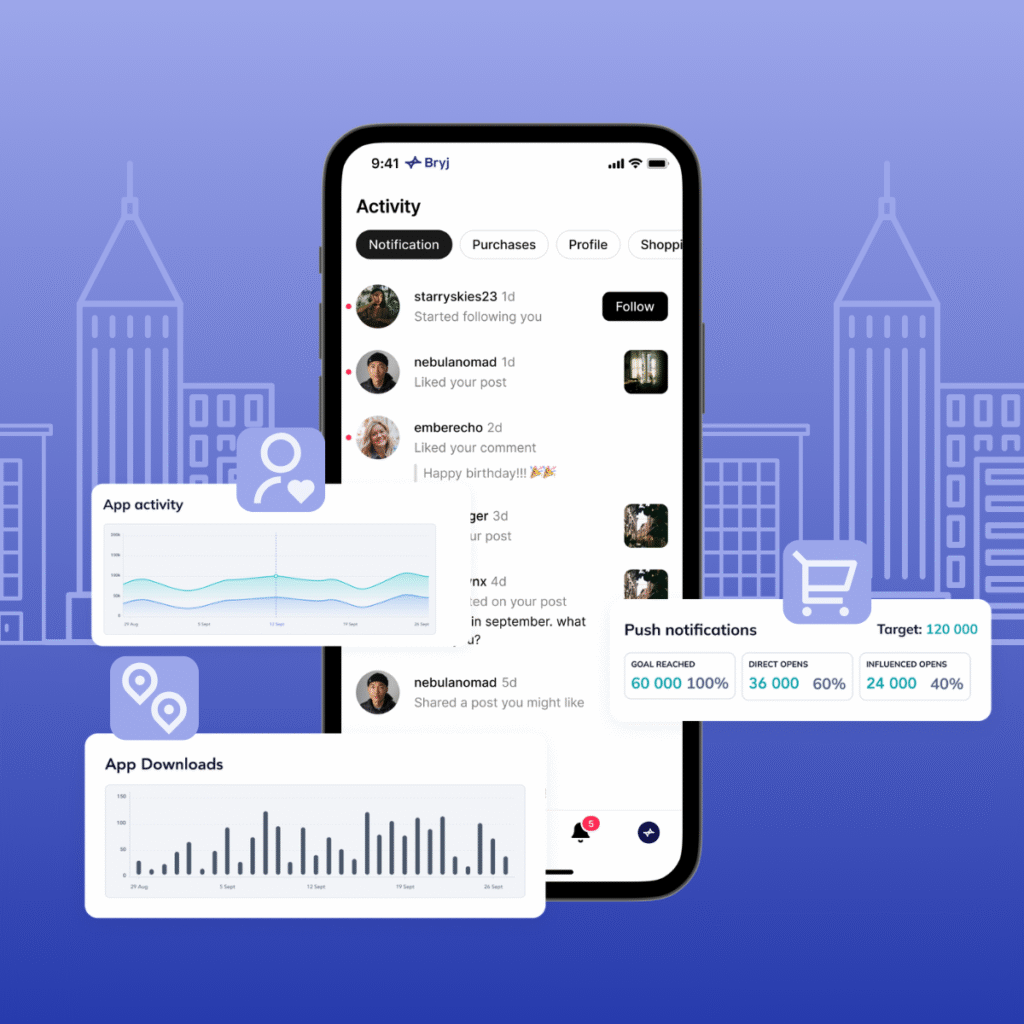
For example, push notifications enable businesses to share timely updates, promotions, and reminders. Consequently, this real-time communication drives repeat visits and encourages faster purchasing decisions. Moreover, in-app messaging allows for tailored interactions based on user behavior, preferences, and past purchases.
In contrast to email, which can be ignored or filtered, mobile notifications typically generate higher engagement rates. Therefore, SMBs can use apps to maintain ongoing conversations with customers rather than relying solely on one-time transactions.
2. Improved Customer Experience
Customer expectations have evolved dramatically. Today, users demand convenience, speed, and personalization. Mobile apps meet these expectations by offering a streamlined, user-centric experience.
For instance, features such as one-click purchasing, saved payment methods, and personalized dashboards simplify the buying journey. As a result, friction is reduced and conversion rates improve. Additionally, mobile apps can integrate loyalty programs directly into the user experience, making rewards easy to track and redeem.
Furthermore, apps allow businesses to leverage device capabilities such as GPS, camera access, and biometric authentication. This integration not only enhances functionality but also creates a more intuitive and secure customer experience.
Ultimately, when customers find it easier to interact with a business, satisfaction increases, and satisfied customers are more likely to remain loyal.
3. Increased Brand Visibility and Credibility
In competitive markets, brand perception plays a critical role in customer decision-making. Having a mobile app signals innovation, professionalism, and long-term commitment.
While a website establishes digital presence, an app strengthens brand positioning. Each time users unlock their phone and see the app icon, the brand gains passive visibility. Over time, this repeated exposure reinforces brand recognition.
Moreover, apps can deliver a consistent branded experience, from design elements to messaging tone. Consequently, SMBs gain greater control over how their brand is presented compared to third-party platforms.
In addition, customers often associate mobile apps with established businesses. Therefore, launching an app can enhance credibility and differentiate SMBs from competitors who rely solely on traditional channels.
4. Data-Driven Decision Making
One of the most significant advantages of mobile apps is access to actionable data. Through in-app analytics, SMBs can track user behavior, engagement patterns, purchase frequency, and retention rates.
For example, businesses can identify which features are most used, where users drop off, and which offers drive conversions. As a result, decision-making becomes data-driven rather than assumption-based.
Furthermore, this data enables better customer segmentation. SMBs can tailor promotions to specific user groups, test different messaging strategies, and optimize marketing campaigns accordingly.
In today’s performance-driven landscape, businesses that leverage real-time insights gain a clear advantage. Therefore, mobile apps serve not only as engagement tools but also as strategic intelligence platforms.
5. Higher Customer Retention and Loyalty
Acquiring new customers is often more expensive than retaining existing ones. Consequently, retention strategies are essential for sustainable growth. Mobile apps play a critical role in strengthening customer loyalty.
For instance, loyalty programs integrated within an app encourage repeat purchases. Points, rewards, and exclusive in-app offers incentivize ongoing engagement. Additionally, personalized recommendations based on previous activity create a sense of relevance and value.
Moreover, subscription models and membership features can be seamlessly managed through apps. This recurring revenue model provides predictable cash flow for SMBs while enhancing customer commitment.
By fostering consistent interaction, apps help transform occasional buyers into long-term brand advocates.
6. Operational Efficiency and Cost Savings
Beyond customer-facing benefits, mobile apps can also improve internal operations. For example, appointment scheduling, order tracking, and customer support can be automated within the app environment.
As a result, administrative workload decreases and human error is minimized. In addition, integrating the app with CRM systems, inventory management, or payment platforms streamlines business processes.
Furthermore, self-service features, such as FAQs, chatbots, and order updates, reduce the volume of customer service inquiries. Consequently, businesses can allocate resources more efficiently and focus on higher-value tasks.
Over time, these efficiencies translate into measurable cost savings and improved productivity.
7. Competitive Advantage in Local and Niche Markets
SMBs often compete within local or specialized markets. In these environments, differentiation is critical. A mobile app can provide a decisive edge.
For example, local retailers can offer location-based promotions to nearby customers. Similarly, service providers can use apps for booking, real-time updates, and digital documentation. These capabilities enhance convenience and strengthen local customer relationships.
Meanwhile, competitors without an app may struggle to match this level of accessibility and personalization. Therefore, early adoption can position SMBs as market leaders within their niche.
8. Scalable Growth Opportunities
Finally, mobile apps create opportunities for scalable expansion. Once the infrastructure is established, businesses can introduce new features, products, or services without major operational disruption.
For instance, SMBs can add e-commerce functionality, integrate digital wallets, or launch in-app advertising partnerships. Additionally, apps enable geographic expansion by reaching customers beyond physical store locations.
As digital adoption continues to accelerate, scalability becomes essential. Mobile apps provide the foundation for sustainable, long-term growth.
Conclusion
In conclusion, mobile apps offer SMBs far more than a digital presence. They enhance customer engagement, improve user experience, strengthen brand credibility, and enable data-driven decision-making. Moreover, they support operational efficiency, boost retention, and create competitive differentiation.
While developing a mobile app requires strategic planning and investment, the long-term benefits often outweigh the initial costs. Therefore, SMBs that embrace mobile technology position themselves for resilience and growth in an increasingly digital marketplace.
Ultimately, in a world where customers expect seamless and personalized interactions, mobile apps are not merely an option, they are a strategic advantage.