How to Keep Users Engaged in 2026

User engagement has always been a moving target. However, as we move into 2026, it is no longer driven by novelty alone. Instead, engagement is increasingly defined by relevance, trust, and continuity across digital experiences. As technology matures and user expectations rise, businesses must rethink how they attract, retain, and continuously engage their audiences.
In this context, keeping users engaged in 2026 requires a strategic blend of data intelligence, thoughtful design, and long-term value creation. Below, we explore the key principles shaping user engagement in the year ahead.
1. Shift from Attention-Grabbing to Value-Driven Experiences
In previous years, engagement strategies often focused on capturing attention quickly. However, in 2026, users are more selective than ever. As a result, short-term tactics such as aggressive notifications or flashy interfaces are losing effectiveness.
Instead, successful companies prioritize consistent value delivery. For example, platforms that clearly communicate benefits, solve real problems, and respect user time tend to see higher retention rates. Moreover, value-driven experiences foster trust, which has become a critical engagement factor.
Therefore, rather than asking “How do we get users to click?”, organizations should ask “Why should users stay?”
2. Leverage AI for Personalization
Artificial intelligence is now a baseline expectation rather than a competitive advantage. That said, the way AI is used makes all the difference. In 2026, users expect personalized experiences, but they also demand transparency and control.
On one hand, AI enables dynamic content, personalized recommendations, and adaptive interfaces. On the other hand, misuse of data can quickly erode trust. Consequently, the most effective engagement strategies balance personalization with privacy.
For instance, allowing users to customize their preferences while clearly explaining how data is used creates a sense of empowerment. As a result, personalization feels helpful rather than intrusive.
3. Design for Continuity Across Channels
Another defining factor of engagement in 2026 is experience continuity. Users move seamlessly between devices, platforms, and contexts. Therefore, fragmented experiences create friction and reduce engagement over time.
To address this, businesses must ensure that interactions feel connected. For example, a user who starts a journey on mobile should be able to continue it on desktop without repetition or confusion. Similarly, messaging across email, in-app experiences, and customer support should remain consistent.
In other words, engagement is no longer about isolated touchpoints, but about cohesive journeys.
4. Prioritize Community and Participation
While technology continues to evolve, human connection remains a powerful engagement driver. Increasingly, users want to participate, not just consume. As a result, community-driven features are becoming essential.
This can take many forms, such as user forums, collaborative features, feedback loops, or creator ecosystems. Importantly, these communities must feel authentic. When users see their input reflected in product updates or content decisions, engagement deepens naturally.
Moreover, communities increase switching costs. When users feel connected to others within a platform, they are far more likely to stay.
5. Use Data to Anticipate, Not Just React
By 2026, most organizations have access to large volumes of user data. However, engagement leaders differentiate themselves by how they use that data. Instead of reacting to churn after it happens, they focus on predictive engagement.
For example, behavioral signals such as reduced activity, feature abandonment, or changes in usage patterns can indicate disengagement early. Consequently, proactive interventions, such as contextual tips or tailored content can re-engage users before they leave.
Thus, data becomes a strategic asset not only for measurement, but also for anticipation.
6. Build Engagement Through Trust and Transparency
Trust is no longer optional. With growing awareness around data usage, AI, and platform influence, users expect honesty. Therefore, transparent communication is a key engagement lever.
This includes clear consent flows, understandable terms, and visible accountability. Additionally, brands that openly explain product decisions or acknowledge mistakes tend to build stronger long-term relationships.
As trust increases, users are more willing to explore features, share feedback, and remain engaged over time.
7. Measure Engagement Holistically
Finally, engagement in 2026 cannot be reduced to a single metric. While clicks and session length still matter, they only tell part of the story. Instead, companies must adopt a holistic view.
For instance, combining qualitative feedback with behavioral data provides deeper insights. Similarly, measuring long-term retention, feature adoption, and user satisfaction paints a more accurate picture of engagement health.
As a result, teams can make more informed decisions that support sustainable growth.
Turning Engagement into a Continuous Growth Engine with Bryj Beam
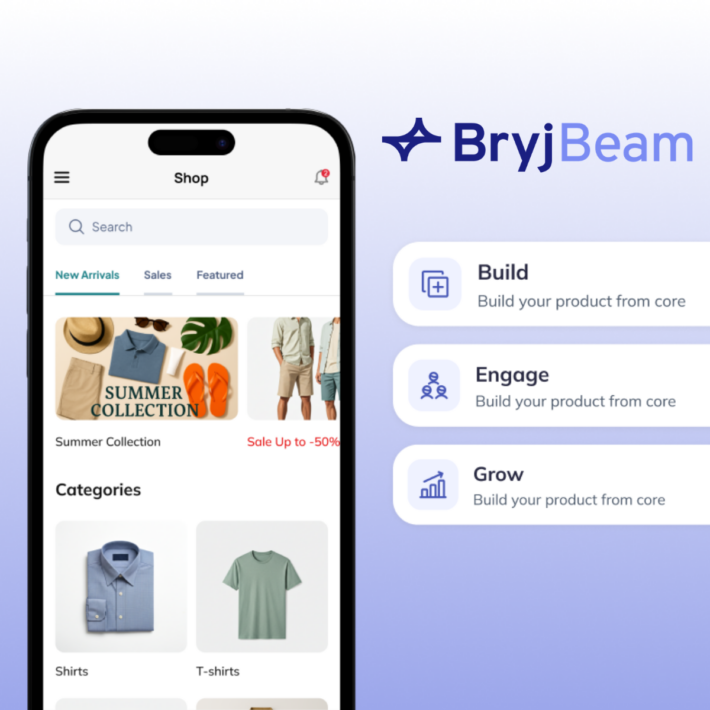
At the same time, maintaining engagement at scale requires the right infrastructure. This is where platforms like Bryj Beam play a critical role. Bryj Beam enables brands to unify user data, activation, and engagement across owned channels, ensuring that experiences remain consistent, timely, and relevant. By centralizing customer interactions and enabling rapid experimentation, teams can move from reactive engagement tactics to proactive lifecycle strategies. As a result, businesses are better equipped to deliver personalized journeys that evolve with user behavior rather than relying on disconnected tools or one-off campaigns.
Conclusion
Keeping users engaged in 2026 is not about doing more, it is about doing better. By focusing on value, personalization with purpose, seamless experiences, and trust, organizations can create engagement strategies that stand the test of time.
Ultimately, the most successful products will not be those that demand attention, but those that consistently earn it.