The Role of Mobile Apps in Modern Retail Marketing Strategies

In today’s digital-first landscape, mobile applications have become a cornerstone of effective retail marketing strategies. As consumers spend more time on their smartphones, retailers must leverage mobile apps to engage, convert, and retain customers.
Personalized Communication at Scale
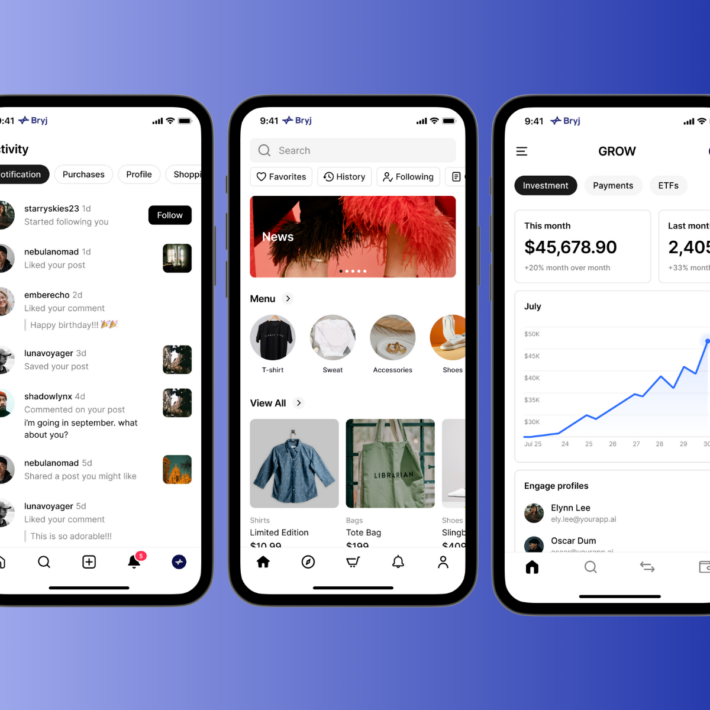
To begin with, mobile apps provide a direct and personalized communication channel. Unlike traditional marketing channels, apps allow brands to deliver targeted messages through push notifications, in-app messaging, and personalized offers. Consequently, retailers can reach customers at the right moment with relevant content, thereby increasing engagement and conversion rates.
Data-Driven Marketing and Customer Insights
Moreover, mobile apps enable data-driven marketing. By tracking user behavior, preferences, and purchase history, retailers can gain valuable insights into customer needs. As a result, marketing teams can refine segmentation strategies and create highly targeted campaigns that resonate with specific audiences.
Loyalty Programs and Retention Strategies
In addition, loyalty programs integrated within mobile apps significantly enhance customer retention. Through reward systems, exclusive offers, and gamification, retailers can incentivize repeat purchases and build long-term relationships. Furthermore, these programs provide additional data that can be used to further personalize the customer experience.
Omnichannel Integration and Seamless Experiences
Another critical advantage is the integration of omnichannel experiences. Mobile apps can connect online browsing with in-store visits, allowing customers to check product availability, reserve items, or access digital receipts. Therefore, retailers can deliver a seamless and consistent experience across all touchpoints.
Location-Based Marketing and Real-Time Engagement
Finally, mobile apps support advanced marketing tactics such as geofencing and location-based targeting. By leveraging real-time location data, retailers can send contextual offers when customers are near or inside a store, thereby increasing foot traffic and sales.
Conclusion
In summary, mobile apps are not just a marketing tool; rather, they are a strategic asset that enables personalization, data-driven decision-making, and omnichannel engagement. Retailers that effectively leverage mobile apps will be better positioned to compete in an increasingly digital marketplace.