Mobile Apps trends in 2026
The mobile app ecosystem continues to evolve at an unprecedented pace. As we move into 2026, technological maturity, shifting consumer expectations, and regulatory pressures are collectively redefining how apps are built, distributed, and monetized. Consequently, businesses that fail to adapt risk falling behind in an increasingly competitive digital landscape.
Below, I outline the most important mobile app trends in 2026 and explain how they are reshaping product strategy, user experience, and long-term growth.
1. AI-Native Applications Become the Standard
Artificial intelligence is no longer a feature, it is the foundation. While AI integration has been growing steadily over the past few years, in 2026 we are witnessing the rise of AI-native applications. In other words, apps are being architected around machine learning models from the outset rather than adding AI as an afterthought.
For example, personalization engines now operate in real time, adjusting content, UI flows, and recommendations dynamically. Moreover, generative AI is embedded directly into productivity, commerce, and entertainment apps, enabling contextual content creation and intelligent automation.
As a result, user expectations have shifted dramatically. Consumers now expect predictive search, automated assistance, and adaptive interfaces as baseline features. Therefore, development teams must invest in robust data pipelines, ethical AI frameworks, and transparent model governance.
2. Hyper-Personalization Through First-Party Data
Simultaneously, privacy regulations and platform restrictions have limited access to third-party tracking. Consequently, mobile apps are doubling down on first-party data strategies.
Rather than relying on broad audience segments, apps now create micro-segments based on behavioral signals, engagement depth, and lifecycle stage. Furthermore, zero-party data, information users intentionally share has become a competitive advantage.
However, personalization in 2026 is not just about marketing. It extends to onboarding experiences, pricing models, feature unlocks, and even in-app education. In practice, this means that two users rarely see the exact same interface or content sequence.
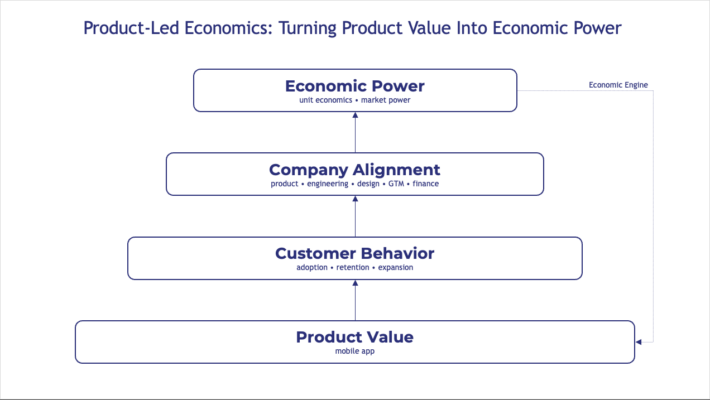
Ultimately, companies that treat data as a strategic asset rather than a byproduct are outperforming competitors in retention and lifetime value.
3. Super Apps and Ecosystem Consolidation
Another major trend is ecosystem convergence. While standalone apps still thrive in niche categories, many industries are shifting toward integrated platforms, often referred to as “super apps.”
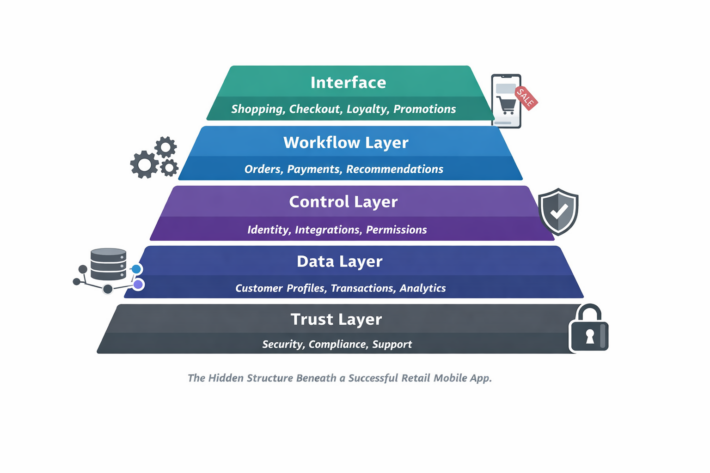
For instance, fintech apps now combine banking, investing, insurance, and budgeting tools in a unified environment. Similarly, retail apps integrate loyalty programs, AR shopping, community features, and embedded payments.
On the one hand, this approach increases user stickiness and cross-sell opportunities. On the other hand, it raises technical complexity and scalability challenges. Therefore, modular architectures and API-driven ecosystems are essential to support expansion without compromising performance.
In essence, 2026 rewards platforms that create seamless digital ecosystems rather than isolated tools.
4. Edge Computing and Real-Time Performance
Performance expectations continue to rise. As 5G and advanced connectivity become ubiquitous, users demand near-instant load times and uninterrupted experiences.
Consequently, more mobile apps are leveraging edge computing to process data closer to the user. Instead of sending every request to centralized cloud servers, critical computations occur locally or within regional edge nodes.
This shift is particularly significant for gaming, AR/VR, telehealth, and IoT-connected applications. Furthermore, it reduces latency, enhances reliability, and improves energy efficiency.
From a strategic standpoint, performance optimization is no longer a technical afterthought. Instead, it is directly tied to user satisfaction, app store ratings, and retention metrics.
5. Immersive Experiences with AR and Spatial Interfaces
Augmented reality has matured beyond novelty features. In 2026, AR is deeply embedded in retail, real estate, healthcare, and education apps.
For example, retail apps allow users to visualize products in physical spaces with high spatial accuracy. Meanwhile, training applications use immersive overlays for hands-on learning simulations.
Additionally, spatial interfaces-powered by wearable devices and advanced sensors are redefining how users interact with mobile ecosystems. Rather than relying solely on touch, apps increasingly support gesture control, voice commands, and contextual awareness.
As a result, UX design now demands multidisciplinary collaboration between developers, 3D designers, and cognitive psychologists to create intuitive immersive environments.
6. Sustainable and Energy-Efficient App Development
Environmental responsibility has also entered the mobile development conversation. Although software may appear intangible, inefficient apps contribute significantly to energy consumption across devices and cloud infrastructure.
Therefore, developers in 2026 are optimizing codebases to reduce processing demands and battery drain. Moreover, companies are increasingly reporting digital carbon footprints as part of ESG initiatives.
From a brand perspective, sustainability messaging resonates strongly with younger audiences. Consequently, energy-efficient architecture is both a technical and reputational advantage.
7. Subscription Fatigue and Value-Based Monetization
While subscription models dominated the previous decade, users are now experiencing subscription fatigue. Accordingly, mobile apps are experimenting with hybrid monetization strategies.
These include usage-based pricing, micro-transactions, freemium tiers with meaningful functionality, and bundled offerings within ecosystems. Furthermore, AI-driven pricing optimization enables dynamic offers tailored to user engagement patterns.
However, transparency is critical. Users in 2026 expect clear value exchange and simple cancellation processes. Therefore, ethical monetization practices directly influence brand trust and long-term growth.
8. Enhanced Security and Biometric Authentication
As mobile apps handle increasingly sensitive data, from financial transactions to health records, security is paramount.
Biometric authentication methods such as facial recognition, behavioral biometrics, and multi-factor verification are becoming standard. In addition, zero-trust security frameworks are being implemented even within consumer-facing applications.
Notably, security is no longer purely defensive. Instead, it serves as a differentiator. Apps that visibly communicate data protection measures gain higher user confidence and adoption rates.
9. Low-Code and Accelerated Development Cycles
Finally, development workflows themselves are evolving. Low-code and AI-assisted coding platforms are dramatically reducing time-to-market.
For instance, generative coding tools now assist with UI creation, bug detection, and automated testing. Consequently, product teams can iterate faster and experiment with new features more efficiently.
Nevertheless, while automation accelerates production, strategic oversight remains essential. Successful apps in 2026 balance speed with architectural discipline and long-term scalability planning.
Final Thoughts
In summary, mobile apps trends in 2026 are defined by intelligence, integration, and intentionality. AI-native architectures drive personalization and automation. Meanwhile, ecosystem consolidation enhances retention. At the same time, privacy, security, and sustainability shape user trust and brand perception.
Most importantly, the winning apps are those that align technological innovation with human-centered design. Technology alone is not the differentiator; rather, it is the thoughtful application of technology to solve real user problems.
As we move further into this decade,mobile apps will continue to evolve from simple digital tools into intelligent, adaptive platforms embedded seamlessly into everyday life. Consequently, businesses that embrace these trends proactively will not only stay relevant, they will lead the market.