
The Future of Mobile in 2026
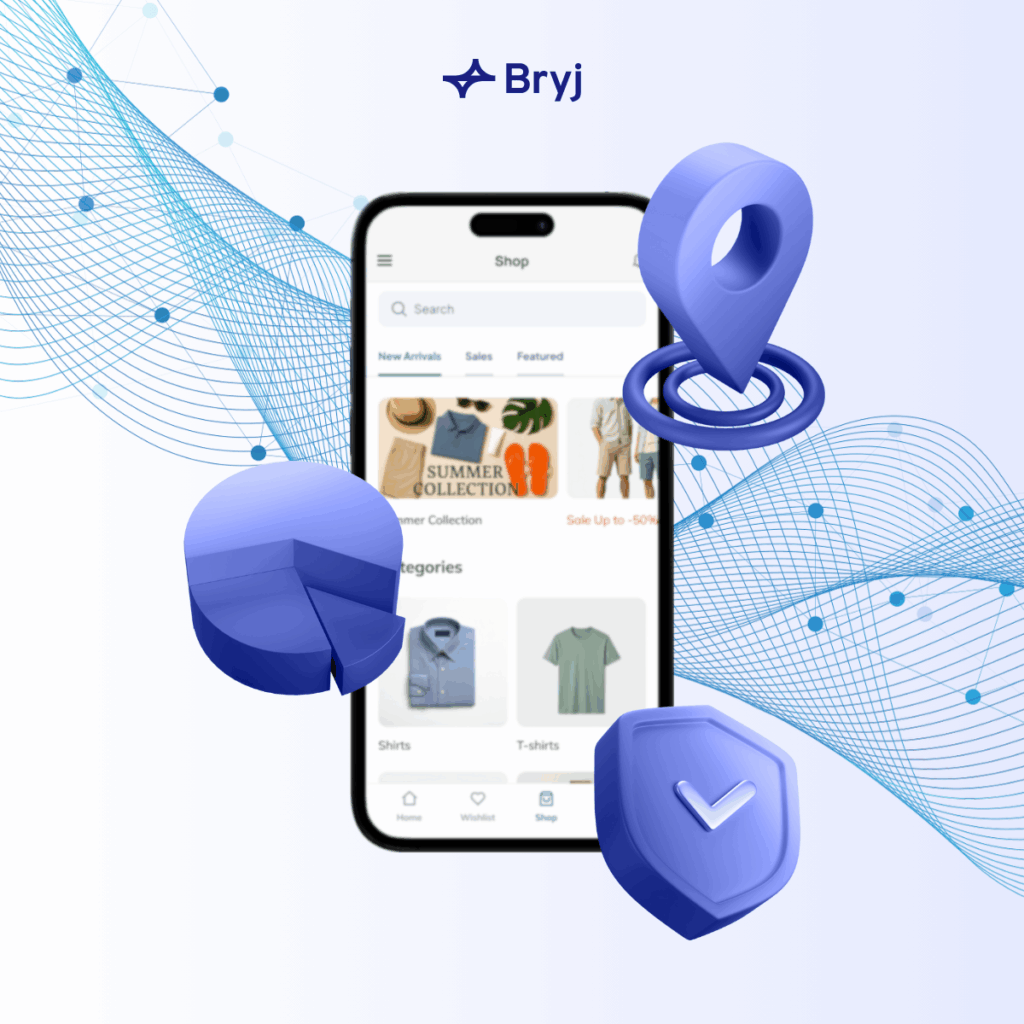
Mobile technology is entering a new phase. Instead of acting as a supporting channel, mobile is becoming the primary way people interact with digital services. In 2026, this shift will shape how products are built, how experiences are delivered, and how businesses compete.
Mobile Becomes the Core Digital Experience
First, mobile is now the central touchpoint across the customer journey. Users increasingly discover, evaluate, and complete actions directly on their phones. As a result, expectations around speed, usability, and consistency are significantly higher.
Moreover, users expect continuity across apps and devices. They want experiences that feel connected rather than fragmented. Therefore, the future of mobile must focus on end-to-end journeys instead of isolated interactions.
AI and Context Drive Personalization
At the same time, artificial intelligence is becoming native to mobile experiences. Rather than operating as a separate layer, AI powers real-time personalization behind the scenes. Apps can adapt based on behavior, preferences, and situational context.
In addition, contextual signals such as location, time, and past interactions are increasingly important. Consequently, mobile experiences become more proactive, surfacing relevant actions and content at the right moment and reducing friction for users.
Privacy, Performance, and Trust Take Priority
Meanwhile, privacy and performance are no longer optional. Users expect transparency in how their data is used, and regulations continue to evolve. In 2026, privacy-first design is essential for maintaining trust while still delivering personalized experiences.
Equally important, performance directly impacts perception. Slow load times, instability, or poor responsiveness quickly lead to disengagement. As a result, performance optimization becomes a core part of the overall mobile experience, not just a technical concern.
Mobile Expands into Ecosystems and the Physical World
Finally, the future of mobile is evolving beyond standalone apps. Ecosystems, integrations, and super-app models continue to grow, making interoperability more important than individual features. Businesses must think in terms of platforms rather than isolated products.
At the same time, mobile increasingly connects digital and physical environments. Payments, identity, access, and location-based experiences are becoming seamless. Ultimately, mobile acts as the control layer that bridges online and offline interactions.
Conclusion
In summary, the future of mobile in 2026 is defined by intelligence, context, trust, and integration. Organizations that treat mobile as a core strategic asset will be best positioned to deliver meaningful, high-value experiences in an increasingly mobile-first world.